Practising osteopathy in Canada — mentorship for internationally trained therapists.
Trained as a manual osteopathic therapist outside Canada and unsure what the profession expects here? This mentorship walks you through the professional side of practising in Canada: national training standards, association membership, clinical documentation, patient safety, and the day-to-day realities of working in a Canadian clinic.
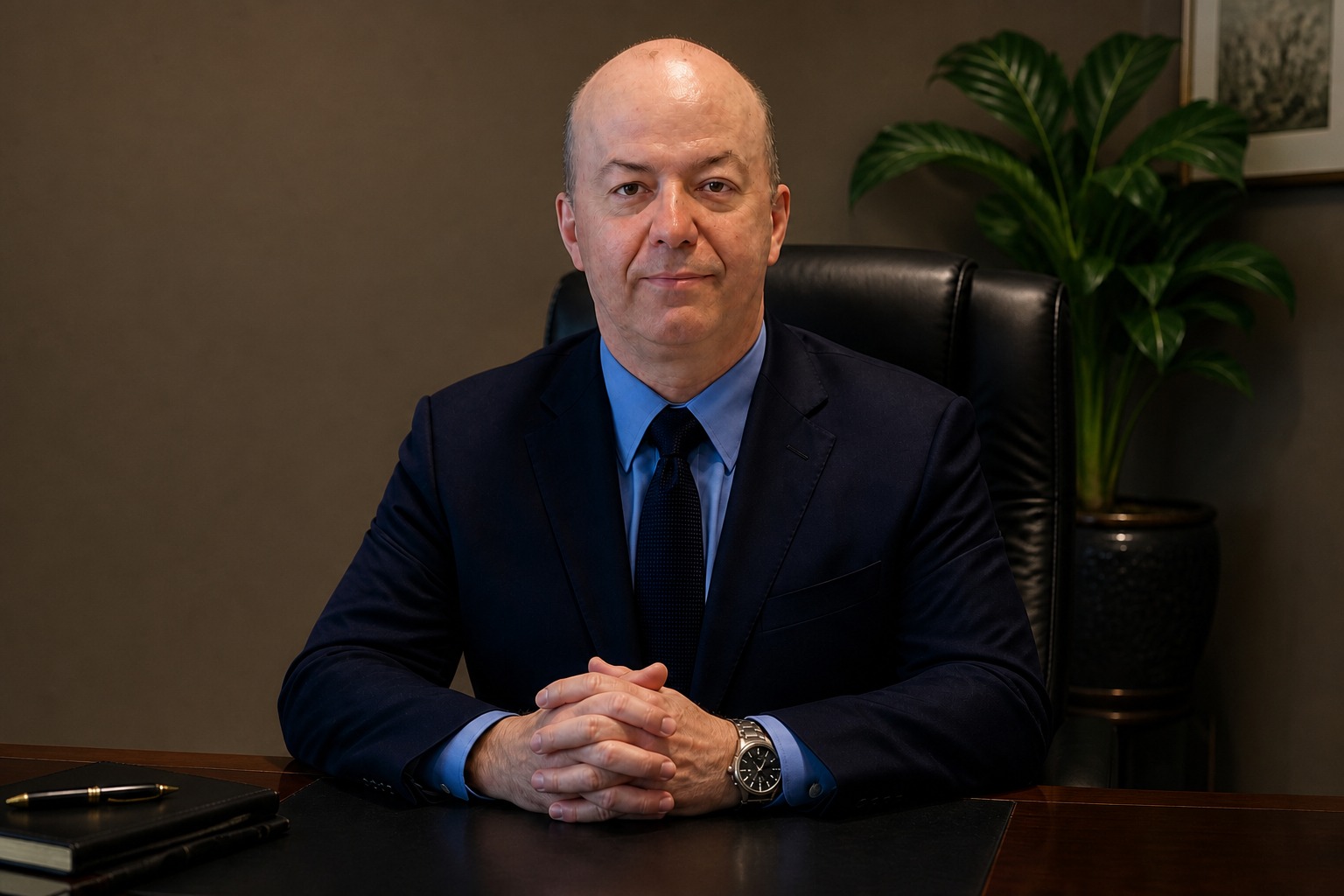
It is led by Alex Freire — past president of the Alberta Association of Osteopathic Manual Therapists, former board member of the Canadian Federation of Osteopaths, and an osteopathy educator for over two decades.
Built for therapists arriving from another system
Internationally trained osteopaths
You qualified abroad and want to understand what Canadian practice expects of you.
Recent osteopathy graduates
You've finished your training and want support moving from student to practitioner.
Therapists changing provinces
You already practise in Canada and are moving to Alberta or another province.
Applicants preparing a submission
You're assembling documentation for an association application or equivalency review.
How the field is governed here
Canada handles manual osteopathy differently from many countries therapists train in. Understanding that structure early saves a great deal of time.
- Manual osteopathy is largely self-regulated. In most provinces, including Alberta, osteopathic manual therapy is not a government-regulated health profession — there is no provincial licensing college for it. Professional associations set and uphold the standards instead, and association membership is what employers, clinics, and insurers generally look for.
- A manual osteopathic therapist is not an osteopathic physician. In Canada, "osteopathic physician" refers to a medical doctor (DO) regulated by a provincial college of physicians and surgeons — a separate profession with a separate path. Titles, scope, and advertising language matter, and using the wrong one causes real problems.
- There is a national standard. The Canadian national standard for the field, CSA Z16686:20, together with the World Health Organization's benchmarks for training in osteopathy, is what credible associations align their training and competency expectations to. The Alberta Association of Osteopathic Manual Therapists (AAOMT) aligns with both.
- Requirements vary by province and by association. Training hours, competency evidence, entry assessments, supervised practice, and continuing education differ between associations, and each reviews international training on its own terms. The Canadian Federation of Osteopaths (CFO) operates at the national level.
- Insurers set their own recognition criteria. Whether your patients can claim treatment through their extended health benefits depends on which association you belong to and how your receipts are issued. This has a direct effect on where you can work and how quickly you build a caseload.
- Standards change. Always confirm current requirements directly with the association in your province before you rely on them — this page is orientation, not a substitute for their published criteria.
What the mentorship covers
Mentorship is shaped around where you are now — your training, your documentation, and the province you intend to practise in. These are the areas we work through.
Canadian standards & scope of practice
What CSA Z16686:20 and the WHO training benchmarks ask of practitioners, what falls inside a manual osteopathic scope here, and what does not.
Association membership pathways
How associations assess international training, what evidence of hours and competency they ask for, and how to prepare a complete, well-organised application.
Clinical documentation & records
Assessment notes, treatment records, consent, and file-keeping to the standard Canadian clinics, associations, and insurers expect.
Patient safety, consent & referral
Screening and red flags, contraindications, informed consent conversations, and knowing when and how to refer to another practitioner.
Insurance & billing in practice
How extended health benefits work, what insurers require on a receipt, direct billing, and why association recognition affects your patients.
Working inside a Canadian clinic
Multidisciplinary settings, communicating with physiotherapists and physicians, contractor arrangements, and what clinic owners expect of a new practitioner.
Professionalism & ethics
Protected titles and advertising language, professional boundaries, privacy obligations, and continuing education expectations.
Mentored clinical practice
Case discussion, clinical reasoning, and hands-on refinement of assessment and technique with an experienced practitioner and educator.
Shaped around you
Tell us where you trained and where you want to practise, and we'll tell you honestly which of these areas you need and which you can skip.
Start a conversation →Format & next steps
Mentorship runs one-to-one or in a small group, in person in Calgary or online for therapists elsewhere in Canada.
Why train with Alex Freire
Alex trained in Brazil, Spain, and the United States before building a practice in Canada — so the path from an international qualification to Canadian practice is one he has walked himself. He has also spent over two decades teaching osteopathy and has served in national and provincial leadership roles in the profession.
He mentors in English, Portuguese, and Spanish, which for many internationally trained therapists removes a real barrier.
Read Alex's full background- ✓Over 30 years of clinical practice as an osteopathic manual therapist
- ✓Past President and current member of the Alberta Association of Osteopathic Manual Therapists (AAOMT)
- ✓Former Vice-President and Board Member of the Canadian Federation of Osteopaths (CFO)
- ✓Faculty at the Madrid School of Osteopathy (EOM) and the Canadian Institute of Osteopathic Therapy (CIOT)
- ✓Diploma in Osteopathy (SEFO); advanced studies at KCOM and A.T. Still University, USA
Program disclaimer
The Performance Osteopathy Mentorship Program is an educational and professional-development service concerning requirements in the field of osteopathy only. It does not provide immigration services or immigration advice of any kind — including visas, work permits, express entry, permanent residency, provincial nominee programs, or credential assessment undertaken for immigration purposes. Immigration matters should be directed to a Canadian immigration lawyer or a Regulated Canadian Immigration Consultant (RCIC).
The program does not confer a licence, certification, qualification, association membership, or any right or entitlement to practise, and it does not guarantee association acceptance, insurer recognition, or employment. Osteopathic manual therapy is regulated differently across Canadian provinces and professional standards change over time; participants are responsible for verifying current requirements directly with the relevant professional association and any applicable provincial authority. Nothing in this program or on this page constitutes legal advice.
Interested in the mentorship?
Send Alex a short note about your training and where you'd like to practise, and he'll tell you whether this program is the right fit.